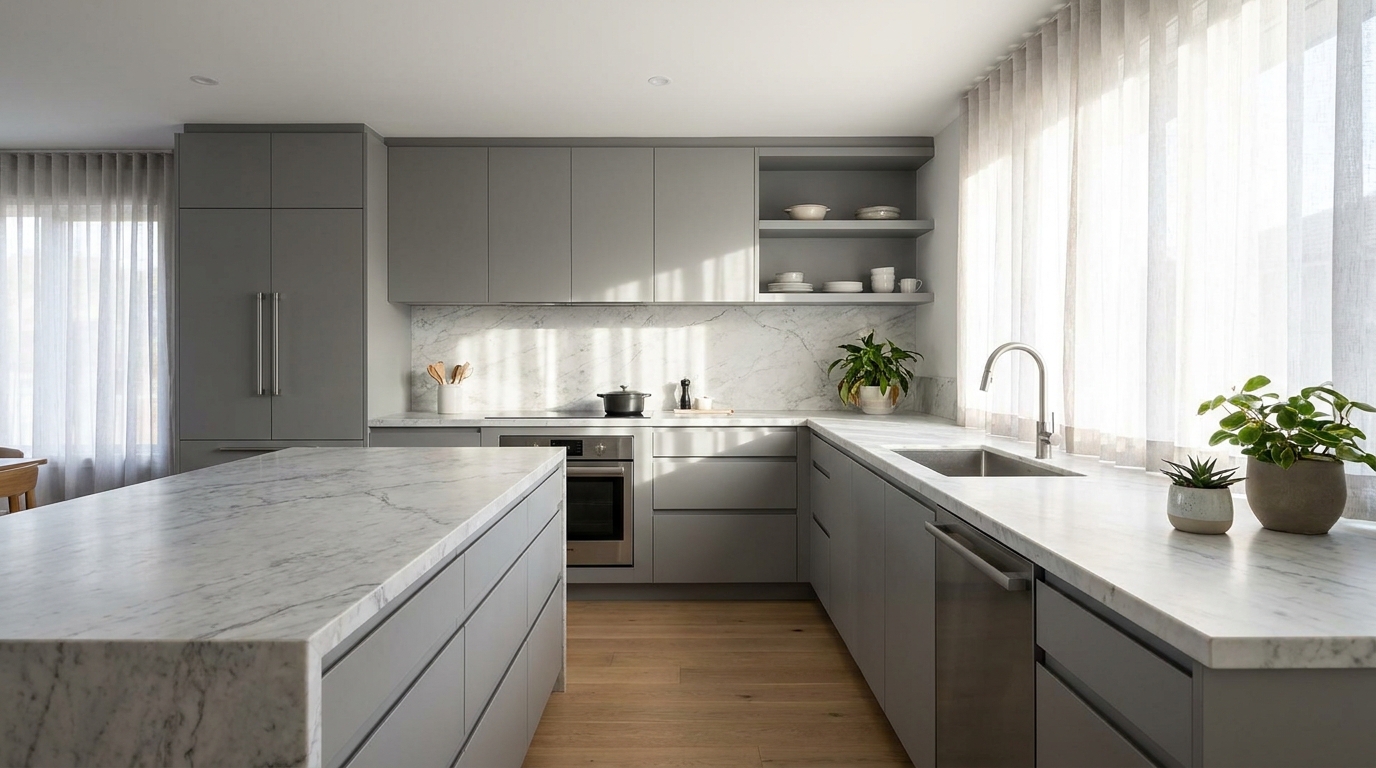
Kitchen renovations often involve significant costs, construction delays, and disruption to everyday routines. Many homeowners want to refresh their kitchens without replacing cabinets or countertops entirely. Wrapping kitchen worktops offers a practical and cost-effective solution that modernizes the space quickly.
This approach uses specialized architectural vinyl film applied directly over existing countertops. The material replicates the appearance of natural surfaces such as marble, granite, wood, or concrete. Instead of removing the original structure, installers transform the visible surface with a durable decorative layer.
As interior design trends shift toward sustainable renovation methods, wrapped kitchen worktops have become increasingly popular in residential apartments, rental properties, and modern homes. The process requires minimal demolition while still delivering a high-end visual result.
What Does It Mean to Wrap Kitchen Worktops?
Wrapping kitchen worktops involves applying a self-adhesive decorative film over existing countertop surfaces. The film adheres securely to materials such as laminate, wood, MDF, and even some stone surfaces.
Manufacturers design these films using flexible layers of Polyvinyl Chloride (PVC). This structure allows installers to stretch and shape the material around edges, corners, and curves. Heat tools help activate the adhesive and smooth the wrap across the surface.
Unlike traditional renovation methods that require replacing countertops entirely, worktop wrapping preserves the existing base. The vinyl layer simply updates the appearance while protecting the original material underneath.
Interior designers often recommend this method for kitchens that remain structurally sound but look outdated. Wrapping provides a visual transformation without the expense of new countertops.
Why Homeowners Choose Worktop Wrapping Instead of Replacement
Replacing kitchen countertops can be one of the most expensive aspects of a kitchen renovation. Stone surfaces such as marble or granite require professional cutting, transportation, and installation.
Wrapping offers a more accessible alternative.
Several factors influence the growing demand for wrapped kitchen worktops:
- Lower renovation costs compared to full replacement
- Faster installation with minimal disruption
- Ability to update designs without structural changes
- Suitable for rental properties or temporary upgrades
- Large variety of modern finishes and textures
Many homeowners also appreciate the sustainability aspect. Instead of discarding existing countertops, wrapping extends their lifespan. This approach reduces material waste and avoids unnecessary construction.
For property investors and landlords, worktop wrapping provides an efficient way to modernize kitchens between tenants while keeping renovation budgets manageable.
Materials Used in Kitchen Worktop Wraps
The primary material used in worktop wrapping is architectural vinyl film. Manufacturers design this specialized film specifically for interior surfaces.
The construction typically includes multiple layers:
- Decorative printed layer that creates the visual texture
- Protective top coating for scratch and stain resistance
- Flexible PVC film that allows shaping around surfaces
- Pressure-sensitive adhesive backing
This layered structure ensures the wrap remains durable while maintaining flexibility during installation.
High-quality architectural films also include protective coatings that resist moisture, grease, and household cleaning chemicals. These features make the material suitable for kitchen environments where spills and heat exposure occur regularly.
Modern films can realistically replicate materials such as natural stone, brushed metal, and wood grain. Advanced printing and embossing technologies create textures that closely resemble authentic surfaces.
Popular Styles and Finishes for Wrapped Worktops
One reason many homeowners choose wrapped worktops is the extensive design variety available. Architectural films allow kitchens to adopt modern, classic, or industrial styles without replacing the countertop itself.
Popular finishes include:
- Marble-inspired surfaces with natural veining patterns
- Granite textures that mimic stone countertops
- Concrete and industrial cement finishes
- Natural wood grain surfaces
- Matte black or metallic finishes
These styles allow homeowners to coordinate worktops with cabinets, backsplashes, and flooring.
For example, a kitchen with white cabinets may benefit from marble-effect wrapped countertops, while modern apartments often pair matte black finishes with minimalist cabinetry.
Interior designers frequently use vinyl wraps to test new styles before committing to permanent materials.
Step-by-Step Process of Wrapping Kitchen Worktops
Professional installers follow a structured process to ensure the wrap adheres properly and achieves a smooth finish.
1. Surface preparation
Installers begin by cleaning the worktop thoroughly. They remove grease, dust, and debris to ensure the adhesive bonds properly.
2. Repairing imperfections
Any chips, cracks, or uneven areas must be filled and sanded. A smooth base ensures the vinyl film sits evenly on the surface.
3. Measuring and cutting
The installer measures the countertop carefully and cuts the vinyl film slightly larger than the required dimensions.
4. Applying the vinyl film
The backing layer is gradually removed while the film is applied to the surface. Installers use specialized tools to smooth out air bubbles.
5. Heat activation
Heat guns soften the vinyl, allowing it to stretch around edges and corners. The heat also activates the adhesive for a secure bond.
6. Edge finishing
Finally, installers trim excess material and seal the edges neatly.
This process typically takes only a few hours for an average kitchen, depending on the size of the countertops.
Benefits of Vinyl Wrap Kitchen Worktops
Vinyl wrapping provides several advantages compared with traditional renovation methods.
Cost efficiency
Replacing countertops often involves material costs, demolition, plumbing adjustments, and labor fees. Wrapping eliminates many of these expenses.
Design flexibility
Architectural films offer hundreds of patterns and textures. Homeowners can update their kitchen style without structural modifications.
Quick installation
Most worktop wrapping projects finish within a single day. Kitchens remain usable much sooner than during traditional renovations.
Minimal disruption
Because installers do not remove existing countertops, the process produces less noise, dust, and construction waste.
Protective surface
The vinyl layer helps shield the original countertop from stains, scratches, and moisture exposure.
These benefits make wrapped worktops especially appealing for modern apartment renovations and small kitchen upgrades.
Durability, Maintenance, and Lifespan
High-quality vinyl wraps are designed to withstand daily kitchen use. Protective coatings help resist minor scratches, stains, and household cleaning products.
Proper maintenance helps preserve the appearance and lifespan of wrapped countertops.
Recommended care practices include:
- Cleaning surfaces with mild detergents
- Avoiding abrasive scrubbing pads
- Using chopping boards instead of cutting directly on the surface
- Placing heat pads under hot pans
Under normal conditions, professionally installed worktop wraps can last several years before requiring replacement.
The lifespan often depends on usage patterns and the quality of the vinyl film.
Professional Installation vs DIY Wrapping
Some homeowners attempt DIY worktop wrapping to save additional costs. While small projects can be manageable, larger kitchen surfaces require experience and specialized tools.
Professional installers offer several advantages:
- Precision cutting and alignment
- Smooth, bubble-free application
- Proper heat shaping around edges
- Seamless finishing at corners
DIY installation may work for flat surfaces, but complex shapes and corners can be difficult to handle without training.
Many professional interior renovation companies provide warranties for their work, which adds additional peace of mind.
Common Mistakes to Avoid When Wrapping Worktops
Incorrect installation can affect both the appearance and durability of the wrap.
Common mistakes include:
- Applying vinyl on unclean surfaces
- Ignoring cracks or dents before installation
- Stretching the film too aggressively
- Cutting edges unevenly
- Exposing the wrap to excessive heat immediately after installation
Careful preparation and professional techniques significantly improve the final results.
Frequently Asked Questions (FAQs)
1. How long does a kitchen worktop wrap last?
A professionally installed wrap can last between 5 to 10 years depending on usage, maintenance, and film quality.
2. Can vinyl wraps be applied to any type of countertop?
Vinyl wraps work best on smooth surfaces such as laminate, MDF, wood, and some stone materials. Rough or heavily textured surfaces may require preparation.
3. Are wrapped kitchen worktops heat resistant?
Architectural vinyl films offer moderate heat resistance, but direct contact with very hot pans should be avoided. Using heat mats helps protect the surface.
4. Is worktop wrapping cheaper than replacing countertops?
Yes. Wrapping usually costs significantly less because it eliminates demolition, material replacement, and installation of new countertops.
5. Can vinyl wrap be removed later?
Yes. Most architectural films can be removed without damaging the original surface, making them suitable for temporary renovations.
6. Is kitchen worktop wrapping suitable for rental properties?
Yes. Many landlords use this method to refresh kitchens quickly between tenants without major renovation expenses.