Ants invade bathrooms and laundry rooms more often than any other areas of the home, and this behavior is not random. These spaces provide the exact conditions ants look for when searching for shelter, moisture, and reliable food sources. Even homes that appear spotless can attract ants if these conditions are present. Understanding why ants target these rooms helps explain how infestations begin and why they often return if the root causes are not addressed.
Moisture Is the Primary Attraction
Bathrooms and laundry rooms are among the most humid areas in a home. Ants need water to survive, and excess moisture creates an ideal environment for them to thrive. Leaky pipes, dripping faucets, damp floor drains, and condensation around washing machines provide easy access to water.
Unlike kitchens, where food is the main draw, ants in bathrooms are often seeking hydration rather than crumbs. Standing water under sinks, behind toilets, or near floor drains can support entire ant colonies. Even small amounts of moisture can be enough to attract ants indoors, especially during dry or hot weather.
Hidden Entry Points Make Access Easy
Ants are small and highly skilled at finding entry points. Bathrooms and laundry rooms typically contain multiple openings that connect to wall cavities and plumbing systems. Gaps around pipes, cracks in tile grout, loose baseboards, and poorly sealed drains all serve as entry routes.
Once ants find a consistent path, they leave pheromone trails that guide other ants to the same location. This is why infestations often appear suddenly and in large numbers. These trails are difficult to disrupt without addressing both the ants and the access points they are using.
Warmth and Shelter Encourage Nesting
In addition to moisture, ants seek warm, protected areas to build nests. Laundry rooms generate heat from dryers and hot water lines, while bathrooms often remain warm due to regular use. Wall voids, insulation, and spaces behind cabinets provide safe nesting areas close to water sources.
Some ant species establish satellite nests indoors while maintaining a primary nest outdoors. Bathrooms and laundry rooms are ideal for these secondary nests because they offer stable conditions year-round.
Why Food Is Still a Factor
Although food is not the main reason ants invade bathrooms, it still plays a role. Soap residue, toothpaste, hair products, and laundry detergents often contain sugars or starches that ants can use as a food source. Trash bins, pet water bowls, and damp towels also attract ants looking for nourishment.
In laundry rooms, spilled detergent or fabric softener can be enough to sustain ant activity. Ants are opportunistic feeders, taking advantage of any available resource, no matter how small.
Seasonal Changes Increase Indoor Activity
Ant infestations often spike during certain seasons. Heavy rain can flood outdoor nests, forcing ants to seek higher, drier ground indoors. During hot summers, ants invade bathrooms and laundry rooms in search of water when outdoor sources dry up.
In colder months, ants may enter homes to escape freezing temperatures. Indoor plumbing keeps these areas warmer than other parts of the house, making them especially attractive during seasonal transitions.
The Role of Scent Trails and Reinfestation
One of the main reasons ants keep returning is their use of scent trails. When ants invade a bathroom or laundry room, they mark the route with pheromones. Even after ants are removed, these trails remain unless properly cleaned.
Standard household cleaners may not fully eliminate pheromone trails. Without proper disruption, new ants continue to follow the same paths, giving the impression that the infestation never truly ends.
Common Ant Species Found in Bathrooms
Several ant species are commonly found in bathrooms and laundry rooms. Odorous house ants are attracted to moisture and often nest in wall cavities. Carpenter ants may appear if there is moisture-damaged wood, as they prefer damp environments for nesting. Pavement ants can also enter through foundation cracks and plumbing openings.
Each species behaves differently, which affects how infestations develop. Misidentifying the species can lead to ineffective control efforts and recurring problems.
Why DIY Solutions Often Fail
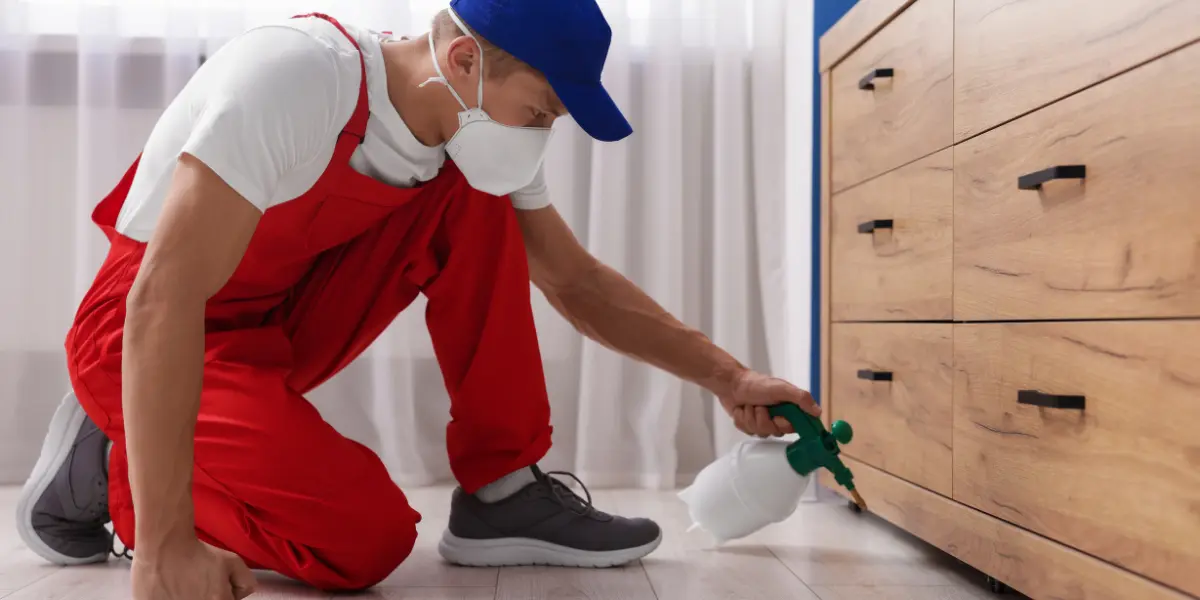
Many homeowners rely on sprays or surface treatments, which only address visible ants. These methods do not eliminate nests or address the moisture issues that attract ants in the first place. Killing worker ants without disrupting the colony often causes ants to relocate rather than disappear.
Additionally, sealing entry points without eliminating the underlying moisture can push ants deeper into wall cavities, making the problem harder to detect and control.
Preventing Ant Activity in Bathrooms and Laundry Rooms
Long-term prevention starts with moisture control. Fixing leaks, improving ventilation, and reducing humidity levels make these spaces less appealing to ants. Sealing gaps around pipes, drains, and baseboards helps limit entry points.
Regular cleaning to remove residue from soaps, detergents, and personal care products also reduces food sources. Drying sinks, tubs, and floors after use further limits access to water.
Final Thoughts on Ant Infestations
Ants invade bathrooms and laundry rooms because these spaces provide moisture, warmth, shelter, and hidden access points. Without addressing these conditions, ant problems often return despite repeated treatments. Understanding why ants invade these specific areas allows homeowners to take more effective steps toward long-term prevention and control, reducing the chances of ants invade situations becoming a recurring issue.