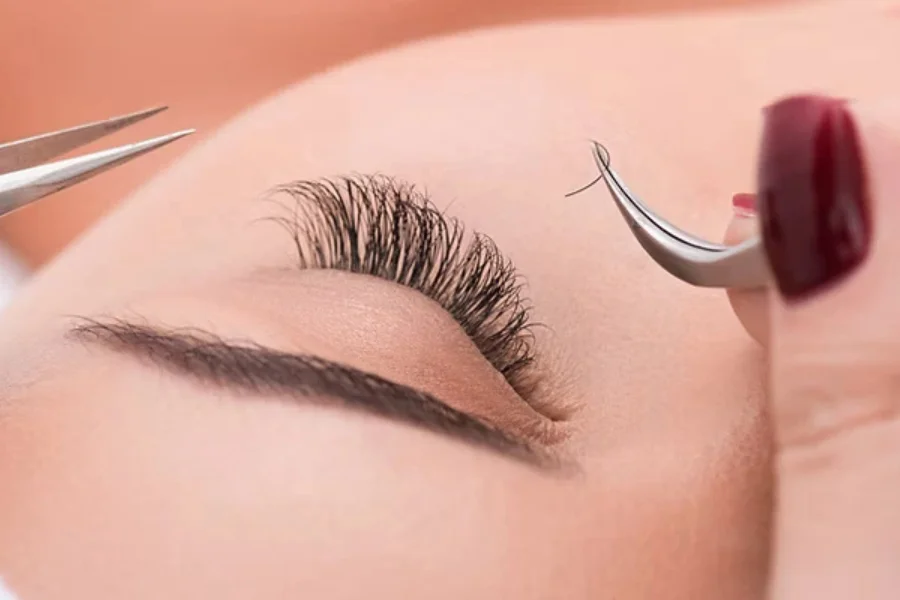
In modern cities, beauty salons have gradually become more than places for occasional grooming. They now function as regular lifestyle spaces where people maintain routines, unwind briefly from busy schedules, and invest in personal care as part of overall well-being. This shift reflects broader changes in how individuals view self-maintenance—not as a luxury, but as a practical and consistent habit.
Across diverse urban environments, salons serve communities with different expectations, backgrounds, and needs. Their relevance lies not in trends or marketing, but in reliability, professional standards, and the quiet role they play in daily life.
Beauty and Routine in Fast-Paced Cities
Urban living often comes with long work hours, frequent social commitments, and environmental factors that affect personal care. Heat, pollution, and indoor air conditioning can impact hair and skin health over time. As a result, many people rely on structured grooming routines to stay comfortable and confident.
Salons offer a controlled setting where these routines can be managed consistently. Regular visits for hair maintenance, skincare, or basic grooming help individuals avoid long-term damage while keeping care manageable rather than reactive.
Why Professional Care Still Matters
With the availability of home beauty products and online tutorials, some might question the need for professional salons. However, trained specialists bring expertise that cannot easily be replaced. Proper assessment of hair texture, skin type, and individual needs helps ensure treatments are safe and effective.
Professionals also work with tools, products, and techniques designed for long-term results rather than short-term fixes. This expertise is especially important in environments where climate and lifestyle factors place additional stress on hair and skin.
Hygiene and Trust as Core Expectations
One of the most important elements of a quality salon experience is hygiene. Clean tools, sanitized workstations, and organized service areas are no longer optional—they are expected. Clients often return to the same salon not because of variety, but because they trust the standards maintained there.
Trust builds gradually through consistent service, transparent communication, and respect for personal comfort. Over time, a salon becomes a familiar and dependable space rather than an occasional stop.
The Growing Connection Between Beauty and Wellness
Beauty care is increasingly linked with mental and emotional well-being. Many people view salon visits as moments to pause, disconnect from daily demands, and focus on themselves. Even brief appointments can offer a sense of reset, helping individuals feel prepared for their routines ahead.
This connection explains why beauty spaces often prioritize calm environments and unrushed services. The experience itself becomes as important as the result.
Specialized and Smaller Beauty Spaces
Alongside full-service salons, smaller and more specialized beauty spaces have gained popularity. These locations focus on specific services or shorter appointments, catering to people with limited time or particular needs.
This trend reflects changing preferences toward convenience and efficiency. Whether large or small, successful beauty spaces share common values: professionalism, consistency, and respect for clients’ time.
Cultural Awareness in Beauty Services
In multicultural cities, salons must adapt to a wide range of preferences and requirements. Different hair textures, skin sensitivities, and personal expectations require flexible approaches rather than one-size-fits-all solutions.
Cultural awareness also extends to communication style, privacy considerations, and service pacing. Salons that understand these nuances tend to build stronger relationships with their communities.
Choosing a Salon Beyond Advertising
Most people choose a salon based on experience rather than promotion. Personal recommendations, online reviews, and repeated positive visits often matter more than branding. Over time, the “best” salon becomes a personal decision shaped by reliability, comfort, and familiarity.
Consistency plays a key role. A salon that delivers dependable service month after month often earns long-term loyalty without needing constant visibility.
The Future of Urban Beauty Spaces
As cities continue to grow, beauty salons are likely to remain essential parts of everyday infrastructure. Their role may continue to evolve, but the core purpose will remain the same: supporting personal care in practical, respectful, and professional ways.
Rather than following trends alone, successful salons will continue focusing on hygiene, skill development, and genuine client relationships. These fundamentals ensure relevance regardless of changing styles or technologies.
Conclusion
Beauty salons quietly shape daily life in urban environments by supporting routine care, well-being, and confidence. Their importance lies not in promotion, but in consistency and trust. As lifestyles become busier, these spaces provide structure and reliability—qualities that remain valuable across cultures and generations.