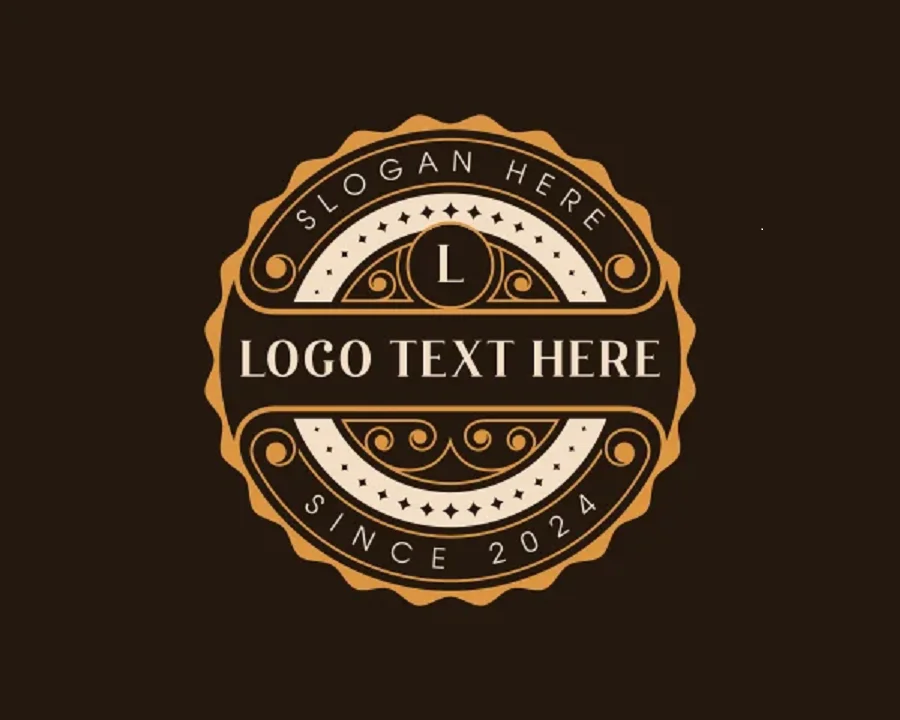
In an era where trends come and go at lightning speed, the allure of all things vintage continues to stand the test of time. From fashion and photography to interior design and branding, the nostalgia and charm of bygone eras hold a magnetic pull for modern audiences. One design trend that consistently thrives is the vintage logo illustration. Whether you’re a small business, a startup, or an established brand wanting to stand out in a crowded market, mastering vintage logo illustration can infuse your identity with warmth, authenticity, and timeless appeal.
But how do you create a logo that channels retro vibes without feeling outdated? How do you balance historical inspiration with fresh relevance? Let’s break down the steps to help you master this art and craft a vintage logo illustration that truly resonates with your audience.
1. Understand the Power of Vintage Aesthetics
Before you start sketching, it’s important to understand why vintage design works so well. A vintage logo illustration isn’t just about old-fashioned graphics — it’s about storytelling. Vintage designs evoke a sense of trust, nostalgia, and craftsmanship. They tell your customers that your brand values tradition, quality, and timeless style.
This is why vintage logo illustrations are a popular choice for cafés, barbershops, breweries, clothing boutiques, and artisan brands. The design instantly communicates heritage and authenticity, helping you connect emotionally with your audience.
2. Research Historical Eras
The term “vintage” covers a wide range of styles, so your first step is to choose the right era for your brand personality. Do you want your logo to feel industrial and sturdy like the early 1900s? Sleek and bold like the Art Deco 1920s? Playful and colorful like the 1960s diner era?
Dive into old ads, signage, packaging, and typography from your chosen period. Study the details — fonts, borders, textures, color palettes, and iconography. Pinterest, design books, antique stores, and vintage magazines are goldmines for inspiration.
For example, a craft brewery might draw on Victorian labels and ornate flourishes, while a retro diner might channel 1950s neon scripts and pastel colors. Knowing your era helps you keep your vintage logo illustration consistent and authentic.
3. Choose the Right Typography
Typography is the backbone of a great vintage logo. Retro fonts have unique characteristics: slab serifs, bold scripts, condensed sans-serifs, and hand-lettered type are common. Unlike modern geometric fonts, vintage fonts often feel more organic and imperfect.
For an authentic look, consider custom lettering. Hand-drawn type adds character and sets your brand apart from countless generic fonts. If you’re not a lettering artist, look for high-quality vintage-inspired fonts from reputable type foundries and tweak them to suit your design.
Don’t forget to experiment with type treatments too — think curved text, banners, drop shadows, or textured overlays. These subtle touches elevate your vintage vibe.
4. Incorporate Iconic Elements and Symbols
A strong vintage logo illustration often includes iconic imagery that ties into your brand’s story. For example, crossed tools for a barbershop, hops and barrels for a brewery, a classic car for an auto shop, or botanical illustrations for an apothecary.
These elements add context and personality to your logo. The key is to keep it balanced — too many details can make the design feel cluttered. Focus on one or two meaningful symbols and integrate them seamlessly with your typography.
Many vintage logos use badge or emblem shapes — circles, shields, and crests are common. These shapes make the design feel contained and adaptable for stamps, signs, merchandise, and packaging.
5. Use Authentic Colors and Textures
Color is another crucial part of mastering vintage logo illustration. Retro color palettes tend to lean toward muted, earthy, or pastel tones rather than neon brights. Think warm browns, faded reds, classic navy, soft greens, or antique gold.
Textures also make a big difference. A perfectly crisp, flat design might feel too modern. Add subtle distressing, grain, or worn effects to give your logo a hand-crafted, aged appearance. Many designers achieve this look by applying texture overlays in Adobe Illustrator or Photoshop.
However, use these effects sparingly — you want the logo to feel authentically vintage, not artificially ‘old and dusty.’
6. Sketch and Refine by Hand
A common pitfall in vintage logo illustration is relying too heavily on digital tools. Some of the best vintage logos start with pencil and paper. Sketching by hand helps you create natural curves, unique flourishes, and unexpected details that digital tools can’t replicate easily.
Once you’re happy with your rough sketch, bring it into a design program and refine it digitally. Tidy up your lines, balance your elements, and test different compositions.
7. Keep Versatility in Mind
Your vintage logo should look great on everything from business cards and menus to storefront signs and merchandise. Test your design in black and white to ensure it works without color. Make sure it’s legible at small sizes. Simplicity is key — don’t cram too many flourishes that might blur when scaled down.
Remember, a successful vintage logo illustration is as functional as it is beautiful.
8. Test and Get Feedback
Before finalizing your logo, test it in real-world scenarios. Mock it up on packaging, signage, uniforms, or digital profiles. Does it evoke the vibe you want? Is it easy to read? Does it stand out from competitors in your industry?
Get feedback from your team, loyal customers, or trusted friends. Sometimes an outside perspective can spot things you might miss after hours of staring at your design.
9. Bring It to Life with Brand Touchpoints
Once you’ve nailed your vintage logo illustration, extend its look and feel across your branding. Use the same fonts, colors, and textures in your packaging, menus, website, and social media. Consistency builds a strong, recognizable brand.
For example, a coffee shop with a vintage logo can amplify the vibe with retro-inspired signage, uniforms, interior décor, and printed materials. This cohesive aesthetic makes the experience memorable and shareable.
Final Thoughts
Mastering vintage logo illustration is more than just replicating old design trends — it’s about capturing the soul of an era while telling your unique story. It requires research, craftsmanship, and a genuine respect for the past. When done well, a vintage logo creates an instant emotional connection with your audience and gives your brand an enduring identity in an ever-changing market.
So pick up your pencil, explore the past, and start sketching. With the right approach, your brand’s vintage logo illustration will stand out today — and for years to come.