The Evolution of Customer Support
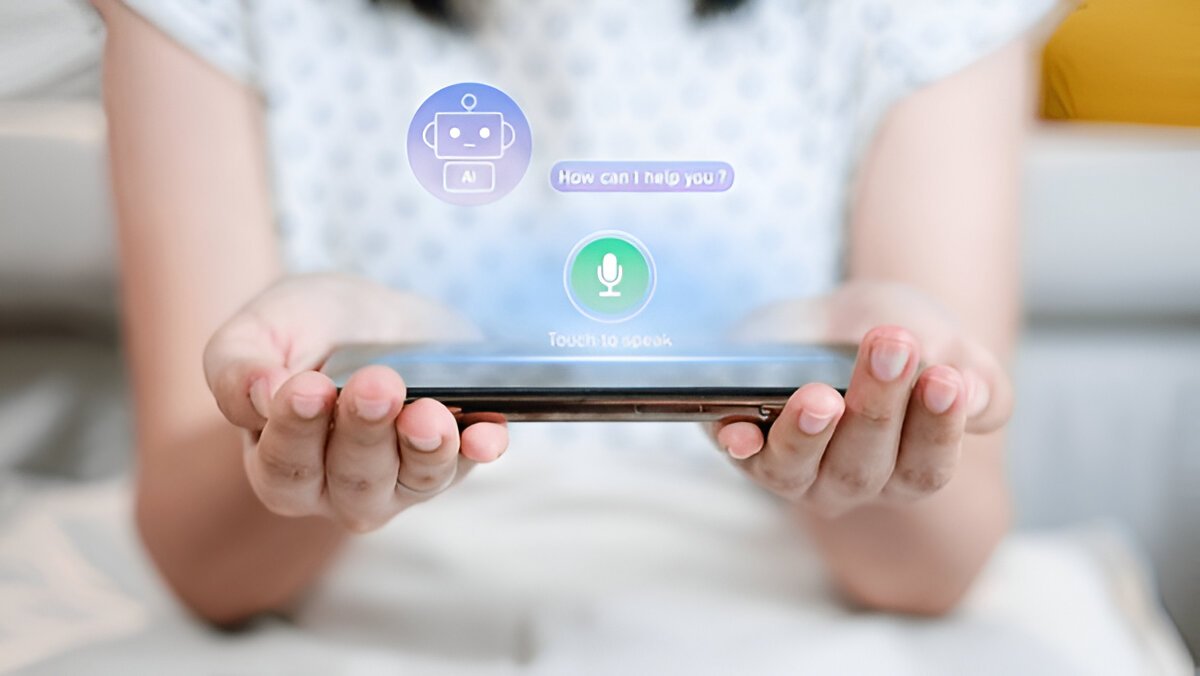
Customer support has long been a cornerstone of business operations, yet traditional call centers have struggled to meet rising customer expectations. With the advent of artificial intelligence (AI), businesses are now reimagining customer service through AI-powered voicebots—virtual assistants that leverage natural language processing (NLP) and machine learning to revolutionize interactions. These voicebots, often referred to as AI virtual assistants, are transforming call centers by automating routine inquiries, slashing wait times, and enabling 24/7 support.
As consumers demand faster, personalized, and multilingual service, AI voicebots are emerging as a powerful solution. This blog post explores how these innovations are reshaping customer support and outlines the key benefits, challenges, and future potential of next-gen customer interaction platforms.
1. Automating Customer Inquiries with AI Voicebots
One of the most significant advantages of AI-powered voicebots for call centers is their ability to automate repetitive tasks. From answering frequently asked questions (FAQs) to processing order updates or handling appointment scheduling, voicebots streamline interactions that traditionally required human agents.
For example, a telecommunications company might use an AI voicebot to assist customers with bill inquiries, service outages, or package upgrades. By handling these routine requests, voicebots free up human agents to focus on complex issues that require empathy or critical thinking. This scalability ensures consistent service even during peak hours.
Automation also reduces operational costs. According to a study by Grand View Research, AI in customer service is projected to save businesses over $1.5 trillion annually by 2030. Furthermore, voicebots eliminate human errors through precise data processing, enhancing both speed and accuracy.
2. Reducing Wait Times and Enhancing Efficiency
Long wait times have long been a pain point in traditional call centers, often leading to customer frustration. AI voicebots address this by handling multiple calls simultaneously, effectively reducing queue times. Unlike human agents, voicebots can manage thousands of interactions at once without fatigue, providing instant resolution to customer queries.
Consider a retail company experiencing a surge in post-holiday returns. A voicebot can guide customers through return policies, generate virtual return labels, and even connect them to a human agent if needed—without requiring customers to wait hours in a call queue.
This efficiency not only improves customer satisfaction (CSAT) but also boosts agent productivity. Human agents can step in only when necessary, focusing on high-value interactions such as resolving technical issues or addressing customer complaints. As a result, businesses report higher first-contact resolution (FCR) rates, a critical metric in customer service.
3. Multilingual Communication and Global Reach
For businesses operating in a global marketplace, multilingual support is no longer optional—it’s essential. AI voicebots equipped with advanced NLP capabilities can understand and respond in multiple languages, breaking down communication barriers.
Take an e-commerce company serving customers in over 50 countries. A voicebot can fluently switch between languages like English, Spanish, Mandarin, or Arabic, addressing queries about shipping, product details, or payment options. This eliminates the need to staff separate call centers for each region, significantly cutting costs.
Modern AI systems also adapt to cultural nuances, such as dialects or idiomatic expressions. For instance, a travel agency’s voicebot might recognize the difference between British and Australian English usage, ensuring a more seamless interaction. Such capabilities expand a company’s global reach while fostering inclusivity and trust.
4. 24/7 Support Without Downtime
Customers face urgent issues at any hour, yet traditional call centers operate during limited business hours. AI voicebots, however, offer round-the-clock assistance, ensuring critical queries are addressed even at midnight.
This is particularly valuable for industries like banking or healthcare. For example, a customer might use a voicebot at 2 AM to check their account balance or confirm a credit card transaction. Similarly, a hospital’s AI voice assistant could provide triage guidance or schedule urgent appointments outside regular business hours.
The cost savings from 24/7 automation are substantial. Businesses no longer need to hire and train shift-based staff for overnight operations. Additionally, customers appreciate the flexibility, with research from Harvard Business Review indicating that 83% of consumers are happy with AI-driven support if it resolves their issue quickly.
5. Integration with Next-Gen Platforms and Personalization
AI voicebots are no longer standalone tools—they are part of next-gen customer interaction platforms that integrate with chatbots, customer relationship management (CRM) systems, and analytics platforms. This interconnected ecosystem allows for a unified customer experience across voice, text, and messaging channels.
For instance, a voicebot could greet a customer by name, reference their past purchases, and suggest relevant products based on CRM data. Advanced systems even use emotion detection to gauge customer sentiment and adjust responses accordingly. If a customer sounds frustrated, the voicebot might escalate the call to a human agent or offer a personalized discount.
The future also lies in omnichannel support. A customer might start an interaction with a voicebot, switch to a live agent, and later receive follow-up via SMS—all while maintaining context from previous communications. This seamless integration enhances customer engagement and loyalty.
6. Challenges and the Road Ahead
Despite their benefits, AI voicebots are not without challenges. Data privacy and security remain top concerns, as voicebots process sensitive information like payment details or health records. Businesses must ensure compliance with regulations such as GDPR or HIPAA.
Additionally, while AI systems are improving, they may still struggle with complex or ambiguous queries—particularly those involving emotional support. Striking a balance between automation and human intervention is key. Training voicebots to recognize when to defer to human agents will be crucial in maintaining customer trust.
Looking ahead, the future of AI voicebots will likely involve deeper integration with artificial general intelligence (AGI) and Internet of Things (IoT) devices. Imagine a voicebot that proactively identifies a customer’s issue using data from a smart home device and resolves it before the customer even calls in.
Conclusion: Embracing the AI Voicebot Revolution
AI-powered voicebots are redefining the customer support landscape, offering businesses a scalable, efficient, and personalized way to engage with their audiences. By automating inquiries, reducing wait times, supporting multiple languages, and providing 24/7 service, these virtual assistants are no longer a futuristic concept—they are a present-day necessity.
As technology continues to evolve, companies that adopt next-gen customer interaction platforms will gain a competitive edge, delivering experiences that are both faster and more human. While challenges remain, the transformative potential of AI voicebots is undeniable. For businesses ready to embrace this shift, the future of customer support is here—and it’s powered by AI.